The Interplay Between Casino Game Mechanics and Informal Texas Hold'em Sessions in French Social Venues
Alex Coleman · Sep 16, 2026
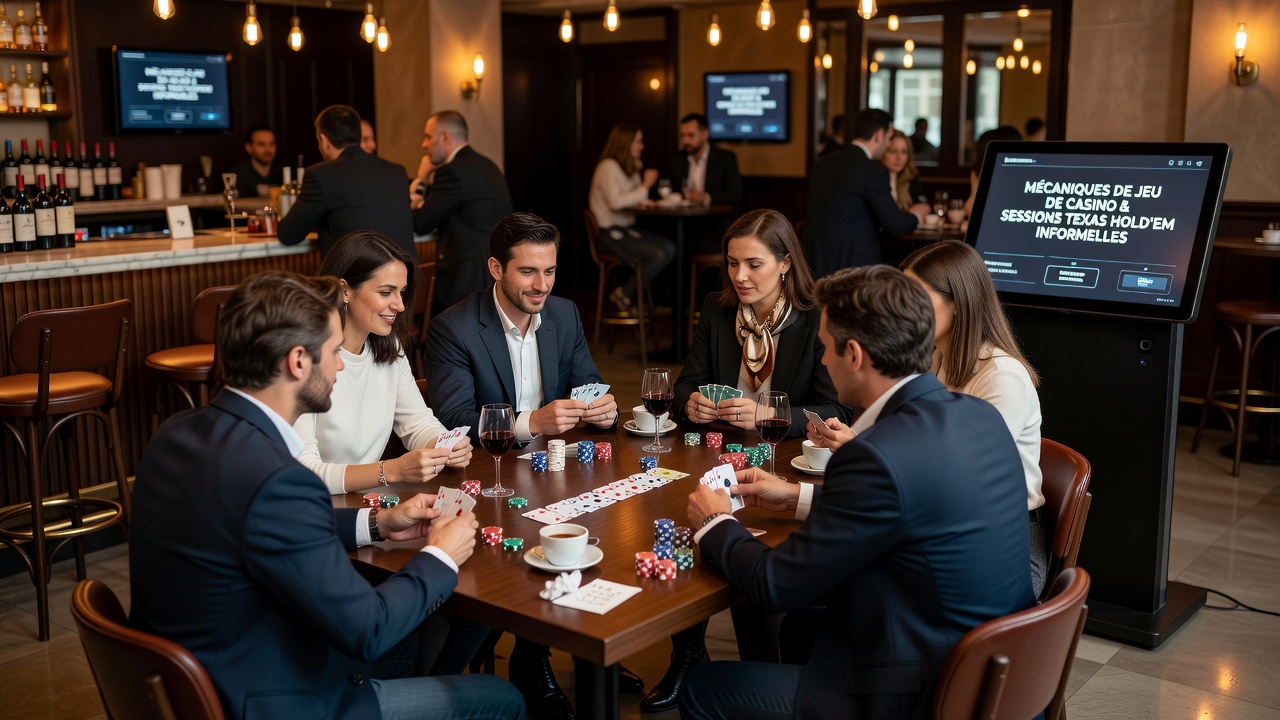
The Interplay Between Casino Game Mechanics and Informal Texas Hold'em Sessions in French Social Venues
Texas Hold'em has developed distinct expressions across French settings where formal casino operations intersect with casual gatherings in cafes, clubs, and private homes, and researchers have tracked how core mechanics such as blind structures, betting rounds, and hand rankings migrate between the two environments. Data from the Autorité Nationale des Jeux shows steady participation numbers in licensed venues while informal sessions continue without direct regulatory oversight, creating a landscape where players encounter both standardized procedures and flexible house rules.
Core Mechanics in Regulated French Casinos
French casinos operate under strict protocols set by the ANJ that dictate everything from shuffle procedures to payout verification, and these rules shape player expectations when individuals later join informal games. Automatic shufflers, visible camera systems, and dealer rotations reduce certain variables that appear more frequently in social settings, yet the fundamental sequence of pre-flop action, flop, turn, and river remains identical. Observers note that players accustomed to casino timing often carry over habits like consistent bet sizing and positional awareness into casual circles, while those who start in social venues sometimes adapt more slowly to the paced rhythm enforced by professional dealers.
Informal Sessions in Social Venues
Across Paris, Lyon, and smaller towns, groups gather weekly in back rooms of brasseries or living rooms where Texas Hold'em unfolds with decks brought from home, chips that may lack precise denominations, and blinds that adjust based on group consensus rather than fixed schedules. Studies conducted by European gaming research centers indicate that such sessions often emphasize quicker decision making and looser starting-hand standards compared with casino play, since participants face less pressure from time limits or floor supervisors. Yet the same probability calculations that govern pot odds and implied odds transfer directly, allowing experienced players to recognize patterns that bridge both worlds.
One documented case involved a group in Marseille that incorporated casino-style button rotation after several members attended supervised events, and the change produced more balanced action across seats without altering the underlying rules of the game. Another gathering in Bordeaux experimented with re-buy formats borrowed from tournament structures, then abandoned them when the format extended session length beyond typical social timeframes.
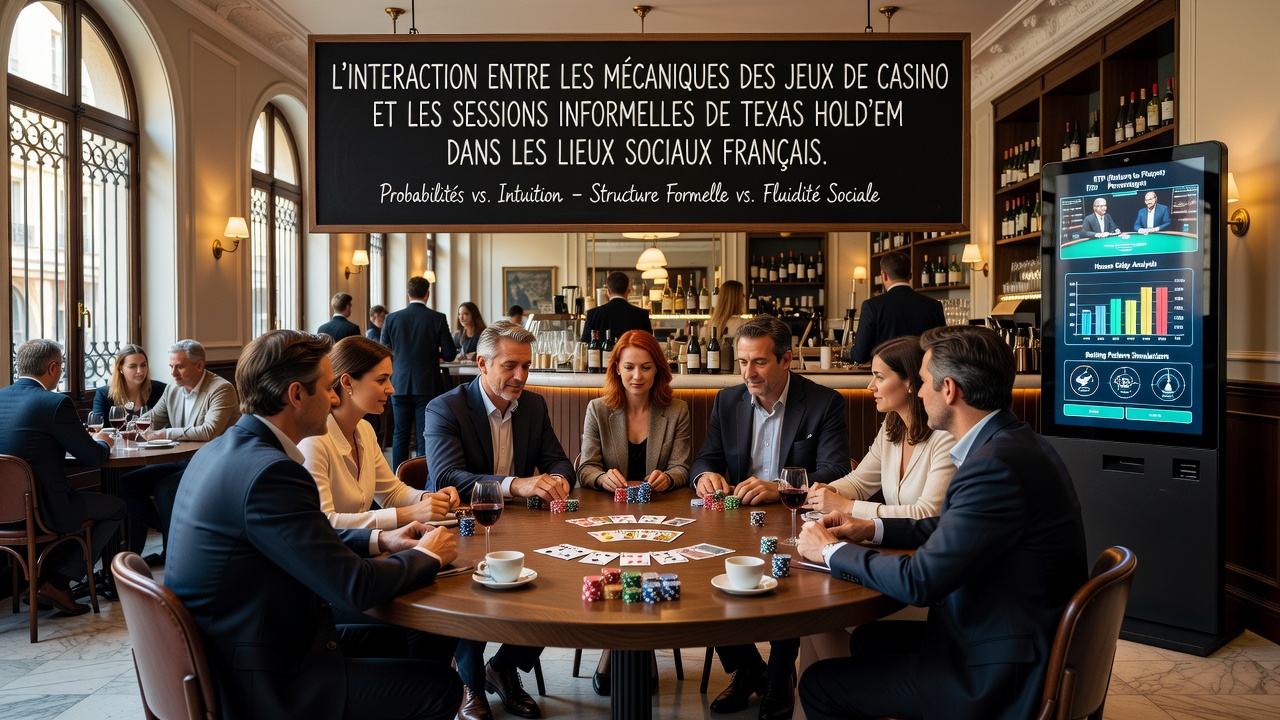
Strategy Transfer and Adaptation Patterns
Players moving between the two formats frequently adjust aggression levels because casino environments feature tighter security and larger average stacks, whereas social games often involve shorter stacks and more frequent all-ins driven by social dynamics rather than pure mathematics. Research from Australian gaming institutes highlights similar cross-format learning curves, showing that individuals who alternate regularly develop stronger range-construction skills that apply regardless of venue type. In France, September 2026 brought several regional festivals that drew both casino regulars and social players into the same rooms, and reports from those events described noticeable convergence in pre-flop raising ranges as participants shared experiences from their usual settings.
Bankroll management presents another point of contrast: casinos enforce minimum buy-ins tied to table stakes, while informal groups may allow variable contributions or credit arrangements that affect risk tolerance. Those who have studied these patterns find that players who maintain separate mental accounts for each context tend to preserve longer-term stability across both.
Regulatory Context and Participation Data
France maintains a licensing system through the ANJ that covers poker rooms inside casinos, yet private games fall outside that framework provided no rake or organized profit motive exists. Figures released by the agency in 2025 placed licensed poker revenue at approximately 180 million euros annually, while estimates from independent academic surveys suggest informal participation may involve several times that number of individuals on a regular basis. Canadian regulatory comparisons reveal parallel situations where social play operates with minimal interference, allowing researchers to examine how mechanics evolve when external oversight is absent.
Community organizations have begun documenting common rule variations across regions, such as differences in how straddles are handled or whether running it twice receives automatic acceptance. These compilations help new participants understand expectations before sitting down, reducing friction when casino-trained players join social tables for the first time.
Conclusion
The movement of Texas Hold'em mechanics between regulated French casinos and informal social venues creates ongoing opportunities for players to refine skills that function across both environments, and available data continues to show steady engagement in each setting. As events scheduled through late 2026 bring mixed groups together, the shared language of blinds, positions, and hand rankings remains the constant element that connects otherwise distinct experiences.