French Poker Culture's Influence on Strategy Development in Regional Casino Tournaments and Social Play Settings
Alex Coleman · Nov 11, 2026
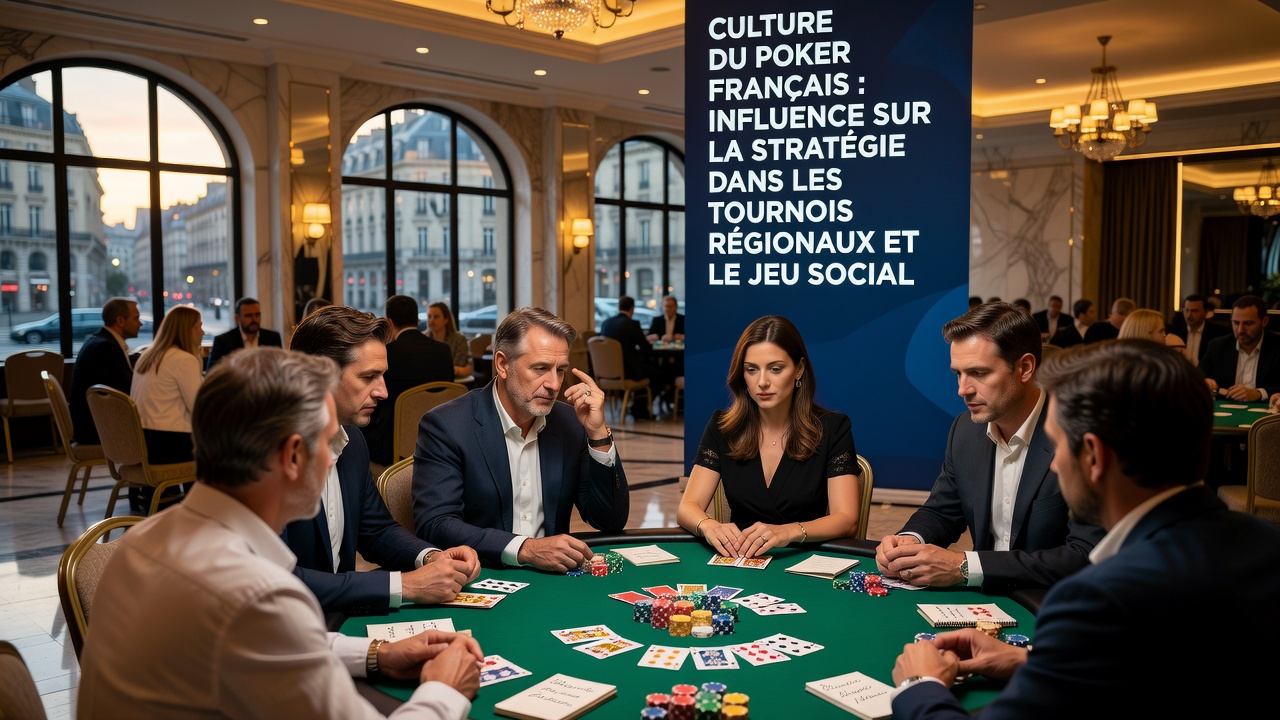
French Poker Culture's Influence on Strategy Development in Regional Casino Tournaments and Social Play Settings
Regional casino tournaments across France continue to reflect longstanding cultural patterns that shape how participants approach decision making at the tables, and observers note these patterns extend into informal social gatherings where players adapt core principles from structured events. French poker traditions emphasize measured aggression combined with observational skills, which researchers have traced back through decades of casino operations in cities like Paris, Lyon, and Nice, while data from the Agence Nationale des Jeux shows steady growth in live play participation through late 2026.
Those who have examined tournament records find that players in regional venues often prioritize position and timing over raw aggression, a tendency that aligns with historical French approaches to card play that value patience and reading opponents. In November 2026 several mid-sized festivals scheduled in southern France are expected to highlight these traits once again, as regional circuits draw competitors who blend local customs with international formats.
Historical Foundations in French Casino Environments
Early poker introduction in French casinos occurred alongside other table games, and records indicate that social clubs in the mid-twentieth century helped standardize certain conventions such as verbal declarations and strict betting sequences. These conventions carried forward into modern tournaments, where players apply similar discipline when facing varied stack sizes and payout structures. Experts tracking participation rates note that regional events maintain higher average durations per hand compared with faster-paced international circuits, a difference attributed to cultural preferences for deliberate pacing rather than rapid-fire decisions.
Strategy Adaptations in Regional Tournaments
Participants in smaller French casino tournaments frequently adjust opening ranges based on table composition, and studies of live play data reveal tighter early-position selections that mirror patterns observed in longstanding French card rooms. This approach allows for stronger post-flop control, while the same players loosen selections in later positions when facing recreational opponents. Observers point to consistent patterns across Provence and Brittany circuits, where November 2026 schedules include multiple stops that test these adaptive methods against fields mixing local regulars with visiting players.
Bankroll management practices also show regional influences, with many competitors allocating smaller percentages of their total stakes to single events, a habit that supports longer tournament lifespans and reduces variance exposure. Figures released by industry groups indicate this conservative allocation correlates with higher cashing percentages in regional events compared with larger international stops.
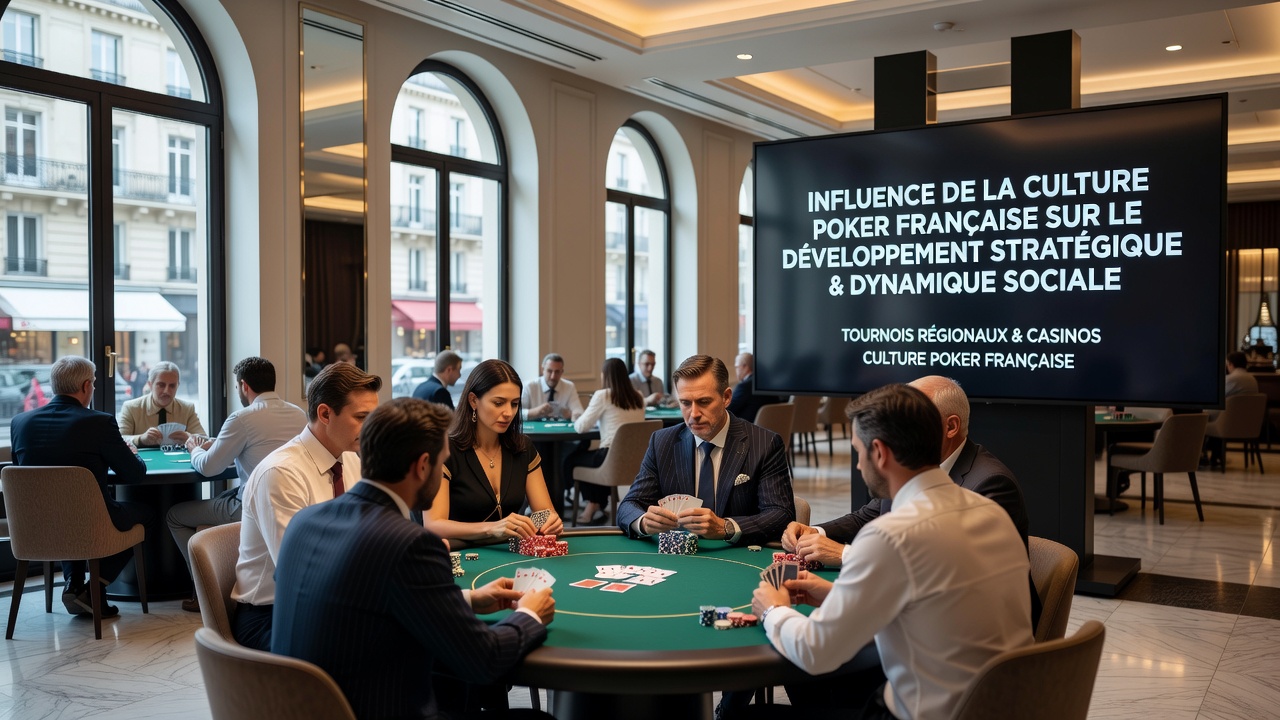
Patterns Emerging in Social Play Settings
Informal gatherings in French social venues often mirror tournament structures while introducing flexible house rules that encourage experimentation with hybrid strategies. Players who transition between these environments and formal tournaments report carrying over observational techniques developed in casual settings, such as tracking betting patterns across multiple sessions rather than single hands. Research from academic sources including reports published by the University of Sydney's gambling studies unit demonstrates that social play functions as informal training that reinforces position-based decision making and opponent profiling.
Betting rhythms in these gatherings tend toward slower tempos, allowing participants to integrate psychological reads that originated in traditional French card culture. Data collected across multiple venues shows that groups meeting weekly maintain stable average pot sizes relative to stack depths, a metric that carries over when those same individuals enter regional casino events.
Cross-Setting Strategy Transfer
Evidence suggests that core elements such as selective aggression and table image management transfer effectively between tournament and social contexts, and players who master both environments often achieve more consistent results across formats. Regional operators have documented increased repeat participation when social clubs feed directly into scheduled casino tournaments, creating pipelines that strengthen strategic continuity. In November 2026 several regional circuits plan to expand these connections through satellite qualifiers hosted at social venues, further linking the two spheres.
Conclusion
Regional French poker continues to demonstrate measurable influences from longstanding cultural practices that affect both tournament execution and social play dynamics. Participation data and observational studies confirm that players apply consistent principles across settings, producing distinctive strategic profiles that differentiate these circuits from faster international models. As November 2026 events approach, ongoing tracking by regulatory and academic bodies will provide further insight into how these patterns evolve within evolving tournament calendars and community gatherings.