Cultural Influences on Player Tactics in French Live Poker Settings
Yara Peters · Oct 28, 2026
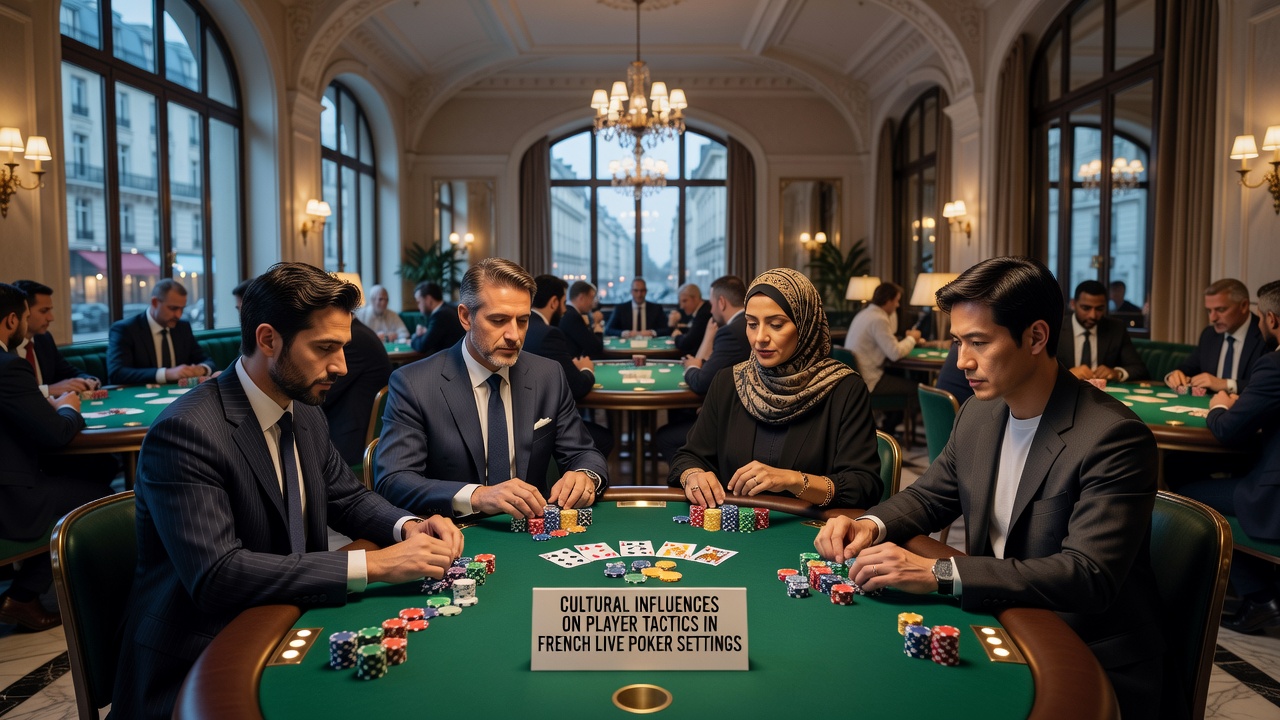
Cultural Influences on Player Tactics in French Live Poker Settings
Live poker in France operates within a framework shaped by longstanding social customs and regulatory structures that guide player behavior at every level, and observers note how these elements combine to produce distinct tactical patterns compared to other regions. French gaming authorities including the Autorité Nationale des Jeux track participation trends across licensed venues, while data from academic institutions such as those publishing in the Journal of Gambling Studies reveal measurable differences in aggression levels and decision timing during cash games and tournaments held in Paris, Lyon, and regional cities.
Historical cafe culture plays a documented role in how participants interact around poker tables, since many French players carry forward conversational habits from social gatherings into casino environments. Researchers at the University of Paris have documented that table talk tends to remain measured and indirect, with fewer direct confrontations than observed in North American settings, and this pattern correlates with slower betting rhythms in early position. Players often wait for clearer information before committing chips, a habit linked to traditions that prize strategic patience over immediate action.
Regulatory Framework and Daily Play Patterns
French law requires strict separation between skill-based card games and chance-based activities, which affects how operators structure live events and how participants prepare their strategies. In October 2026 several major rooms in Paris and Nice reported higher attendance during mid-week sessions, with figures showing increased use of position-based raises rather than frequent three-bets. Those who study regional data note that compliance with identification checks and session limits encourages players to select tables carefully, leading to more selective starting ranges in cash games that run from afternoon through late evening.
Social Norms Affecting Bluffing and Value Betting
Politeness conventions influence when and how players choose to bluff, because overt aggression can be perceived as disruptive in shared public spaces. Studies compiled by the European Gaming and Betting Association indicate that French participants in live settings display lower frequencies of river bluffs compared with players in Las Vegas or Macau during similar stake levels. Instead, many favor delayed continuation bets that maintain table harmony while still applying pressure, a pattern confirmed through hand histories collected at licensed venues in 2025 and early 2026.
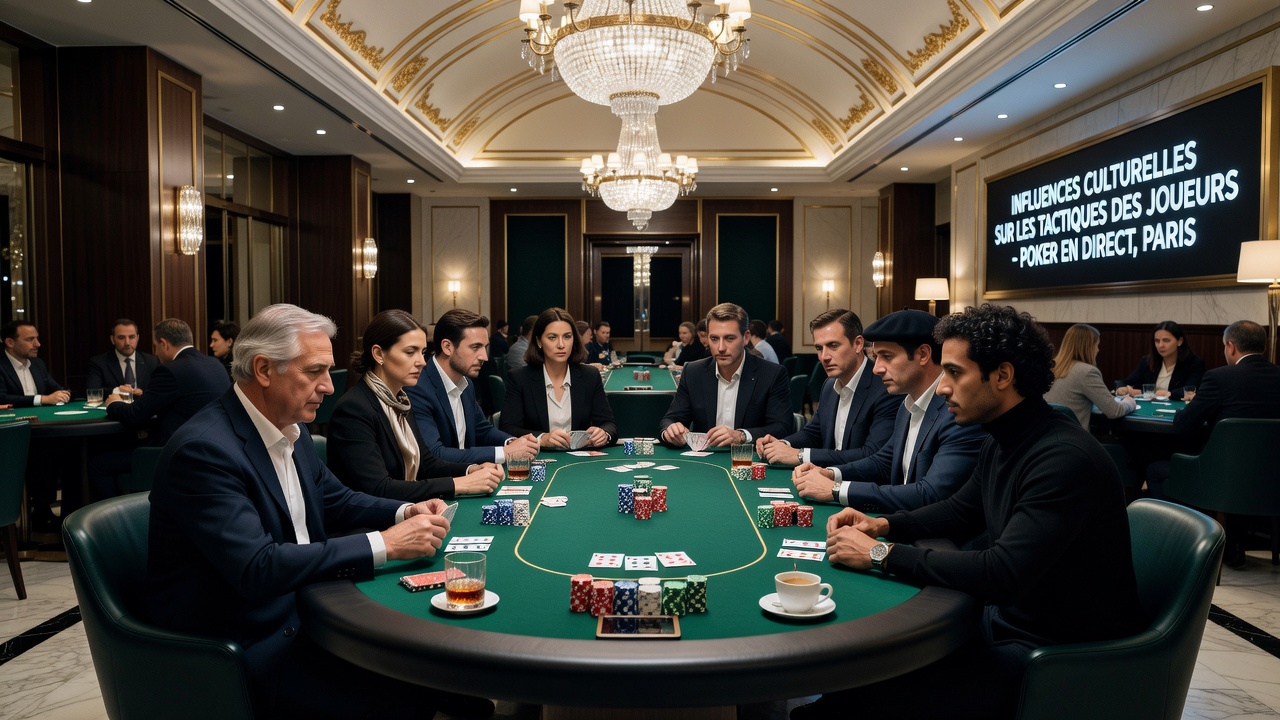
Body language and eye contact also follow cultural scripts that differ from more expressive poker scenes elsewhere. Participants typically avoid prolonged stares, opting for brief glances that convey strength without challenging others directly, and this restraint extends to verbal declarations that remain concise. Tournament directors at events such as the French Poker Tour have recorded fewer player disputes over etiquette compared with international circuits, suggesting that shared expectations reduce friction and allow focus on card play itself.
Regional Variations Across French Venues
Parisian rooms attract a mix of local regulars and international visitors, which produces hybrid tactics that blend French restraint with occasional imported aggression. In contrast, casinos in the south of France often feature tighter early-round play because many regulars know one another from repeated visits, leading to fewer speculative calls and more emphasis on post-flop reads. Data released by regional tourism boards shows steady growth in attendance from neighboring countries during summer months, yet core tactical preferences remain consistent with broader national patterns documented in academic surveys.
Training materials developed by French poker academies emphasize psychological observation over mathematical shortcuts alone, reflecting a cultural preference for interpretive skills. Players who attend these sessions frequently report adjustments in their timing tells and bet sizing that align with local expectations, and hand review sessions at clubs in Bordeaux and Marseille demonstrate how these adjustments translate into measurable improvements in win rates over multi-month periods.
Conclusion
Cultural elements continue to shape live poker tactics across France through regulatory oversight, social etiquette, and regional habits that together produce recognizable patterns in betting and interaction. Ongoing data collection by government agencies and research groups provides clear evidence of these influences, allowing participants and observers to track how traditions interact with modern tournament structures. As venues adapt to new attendance figures in late 2026, the interplay between longstanding customs and evolving player pools remains a central factor in how games unfold on French casino floors.